Kevin Costner: Career, Movies, Yellowstone, Family, Awards, Music, and Lasting Hollywood Legacy

Article Headings
- Early Life and Education
- First Steps in Hollywood
- Breakthrough With Silverado
- The Untouchables and No Way Out
- Bull Durham and Sports Films
- Field of Dreams and Audience Appeal
- Dances With Wolves
- Academy Award Recognition
- Robin Hood and The Bodyguard
- A Perfect World and Wyatt Earp
- Waterworld and The Postman
- Open Range and Western Filmmaking
- Later Film Roles
- Hatfields & McCoys
- Yellowstone and John Dutton
- Departure From Yellowstone
- Horizon: An American Saga
- Music Career and Modern West
- Awards and Professional Recognition
- Family and Personal Life
- Business and Creative Interests
- Why His Career Remains Notable
- Legacy in Western Storytelling
- Influence Across Generations
- What Makes His Screen Presence Distinct
Kevin Costner: An Introduction
Kevin Costner is an American actor, filmmaker, producer, and musician whose career has crossed several decades and genres. Born on January 18, 1955, in Lynwood, California, he developed from a struggling young performer into an award-winning Hollywood leading man. His work includes westerns, sports dramas, thrillers, romances, historical stories, and television projects. He is especially recognized for Dances with Wolves, Field of Dreams, Bull Durham, The Untouchables, and Yellowstone. His career also shows a willingness to move between acting and filmmaking, giving him an unusual role in shaping the stories in which he appears.
| Quick Bio | Details |
|---|---|
| Full name | Kevin Michael Costner |
| Born | January 18, 1955 |
| Birthplace | Lynwood, California, United States |
| Profession | Actor, director, producer, musician |
| Education | California State University, Fullerton |
| Years active | 1978–present |
| Known for | Dances with Wolves, Field of Dreams, Yellowstone |
| Children | Seven |
| Notable awards | Two Academy Awards, three Golden Globes, one Primetime Emmy |
Early Life and Education
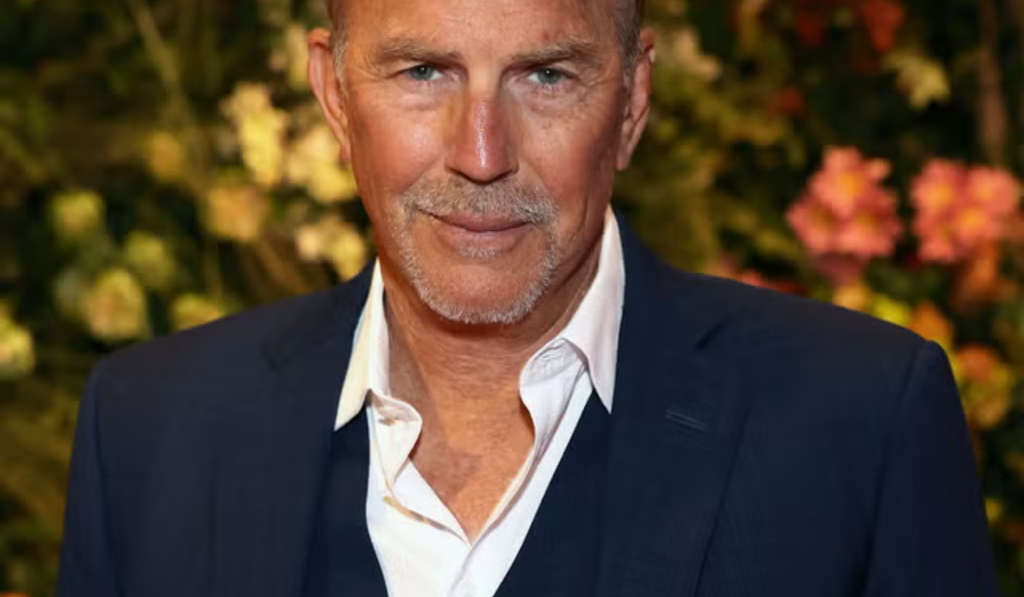
Kevin Costner grew up in California in a family whose circumstances required several moves during his childhood. He later attended California State University, Fullerton, where he studied marketing. During college, acting became increasingly important to him, and after graduating in 1978, he pursued professional opportunities in entertainment. Before achieving recognition, he experienced the uncertainty common to new performers and took other jobs while building his career. Those early years helped shape a determined approach to acting and eventually led to opportunities that established him as a recognizable Hollywood performer.
First Steps in Hollywood
The first stage of Kevin Costner’s screen career included small roles and projects that did not immediately make him famous. He appeared in films such as Sizzle Beach, U.S.A., Night Shift, and other early productions. One important turning point came through Lawrence Kasdan, who remembered him after his scenes were removed from The Big Chill. Kasdan later cast him in Silverado, giving the young actor a stronger platform. That western became an important career milestone and helped introduce him to audiences who would soon see him in larger and more demanding roles.
Breakthrough With Silverado
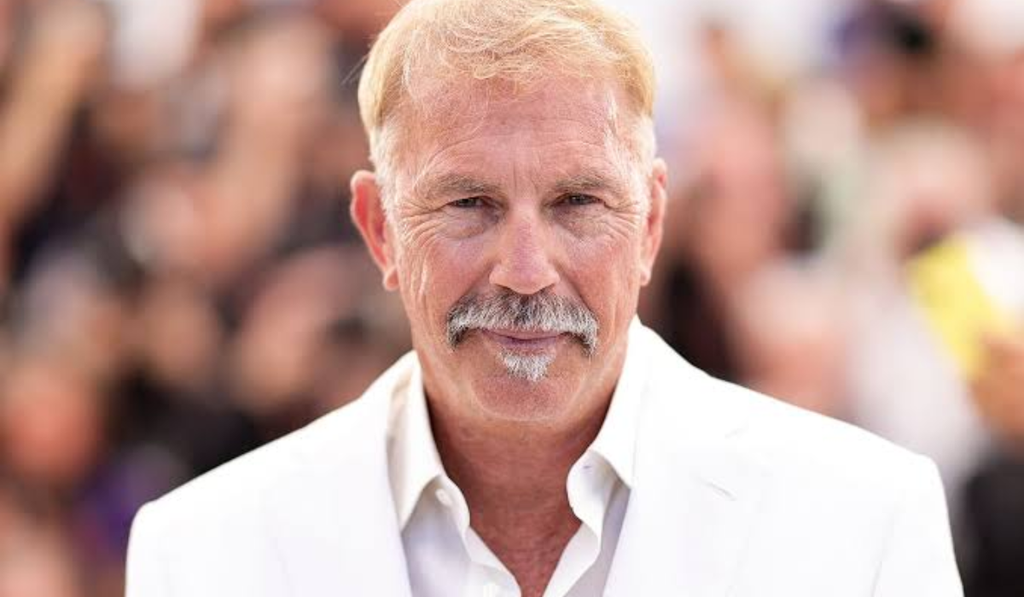
Silverado arrived in 1985 and became a major step forward for the actor. The ensemble western gave him the opportunity to work alongside established performers while demonstrating the screen presence that would become associated with his career. Rather than depending on a single type of role, he began building a varied filmography that included action, drama, romance, comedy, and sports stories. The success of Silverado was followed by increasingly prominent projects, allowing him to establish himself as a leading actor during a period when major Hollywood films were increasingly shaping his public profile.
The Untouchables and No Way Out
In 1987, Kevin Costner appeared in two films that expanded his visibility. No Way Out placed him in a political thriller, while The Untouchables cast him as federal agent Eliot Ness alongside Sean Connery and Robert De Niro. These projects demonstrated that he could carry serious material while working within different storytelling styles. His role in The Untouchables was particularly important because it connected him with a crime drama built around historical figures and heightened cinematic tension. The film helped strengthen his reputation as a dependable leading man capable of handling demanding mainstream productions.
Bull Durham and Sports Films
Bull Durham became another important part of Kevin Costner’s career. Released in 1988, the baseball comedy-drama paired him with Susan Sarandon and Tim Robbins and allowed him to combine humor with a grounded dramatic performance. His connection with baseball stories continued through later projects, including Field of Dreams and For the Love of the Game. Sports films became a recognizable part of his screen identity because they often combined competition with personal relationships, ambition, disappointment, and hope. These themes suited the understated style that audiences frequently associated with his performances.
Field of Dreams and Audience Appeal
Field of Dreams, released in 1989, gave Kevin Costner one of his most enduring roles. He played Ray Kinsella, an Iowa farmer who follows a mysterious message and builds a baseball field on his property. The film blended fantasy, family relationships, memory, and sports into an emotional story. Its appeal extended beyond baseball fans because the central themes involved reconciliation and personal belief. The performance reinforced his ability to play ordinary characters placed in extraordinary situations, a quality that became one of the recurring elements of his screen work.
Dances With Wolves
Dances With Wolves marked a major creative expansion for Kevin Costner because he directed, produced, and starred in the 1990 western. The film was based on Michael Blake’s novel and followed Lieutenant John Dunbar during the American Civil War. Its production was ambitious, with extensive location work and a long shooting schedule. The film received twelve Academy Award nominations and won seven, including Best Picture and Best Director for Costner. Its success established him not only as an actor but also as a filmmaker willing to take substantial creative and production risks.
Academy Award Recognition
The Academy Award success of Dances With Wolves became a defining chapter in Kevin Costner’s professional history. He received the Best Director award and shared the Best Picture honor as a producer. The achievement placed him among actors who had successfully moved into major directing roles. It also changed expectations around the kinds of projects he could lead from both sides of the camera. The film remains closely connected to his reputation because it combined large-scale filmmaking, western storytelling, performance, and directing at a time when such an undertaking represented a significant professional gamble.
Robin Hood and The Bodyguard
During the early 1990s, Kevin Costner continued working in large commercial productions. Robin Hood: Prince of Thieves presented him as the legendary outlaw, while The Bodyguard paired him with Whitney Houston in a romantic thriller. Both films reached broad international audiences and demonstrated the range of material available to him at the height of his leading-man period. The Bodyguard also became notable for its soundtrack and its connection to Houston’s music career. Together, these projects reinforced his place among major film stars of the era.
A Perfect World and Wyatt Earp
Kevin Costner also explored more serious and traditional western material in the 1990s. A Perfect World, directed by Clint Eastwood, offered a crime drama with emotional and moral complexity. Wyatt Earp, released in 1994, returned him to the historical western genre and featured an expansive portrayal of the famous lawman. These films reflected his continuing interest in stories involving American history, personal responsibility, violence, loyalty, and changing social landscapes. His career during this period included both commercially ambitious projects and films designed around character-driven storytelling.
Waterworld and The Postman
Waterworld and The Postman became two of the most discussed productions of the actor’s 1990s career. Waterworld was an expensive post-apocalyptic adventure that faced difficult production conditions, while The Postman presented another futuristic story set in a fractured America. Neither film matched the cultural impact of his earlier successes, and both received mixed critical responses. Nevertheless, these projects illustrate his willingness to pursue ambitious concepts. They also show that a long career includes periods of experimentation, uneven reception, and professional decisions that may become part of an actor’s broader artistic history.
Open Range and Western Filmmaking
Open Range, released in 2003, returned Kevin Costner to a western setting and allowed him to direct as well as star. The film centered on cattlemen facing conflict and featured Robert Duvall alongside Costner. Its reception highlighted his continuing connection with western storytelling, a genre that had been present throughout different stages of his career. His approach to westerns often emphasizes landscapes, character relationships, moral choices, and the tension between established communities and changing circumstances. Open Range therefore fit naturally into his longer filmmaking interests.
Later Film Roles
After the early 2000s, Kevin Costner continued appearing in a wide selection of movies. His credits included The Upside of Anger, Mr. Brooks, Swing Vote, The Company Men, Man of Steel, Draft Day, McFarland, USA, Hidden Figures, Molly’s Game, The Highwaymen, and Let Him Go. These roles ranged from supporting parts to leading performances. His willingness to appear in ensemble projects also allowed him to work with younger generations of actors and directors. This period demonstrated that his career was not limited to the traditional leading-man roles of his earlier decades.
Hatfields & McCoys
The television miniseries Hatfields & McCoys introduced Kevin Costner to a major historical television role as William Anderson “Devil Anse” Hatfield. The production explored the famous feud between the Hatfield and McCoy families and earned strong awards recognition. Costner won the Primetime Emmy for Outstanding Lead Actor in a Miniseries or Movie for his performance. The project demonstrated that television could provide him with substantial dramatic material outside feature films. It also preceded his later television success, making the miniseries an important part of his transition into prestige television.
Yellowstone and John Dutton
Yellowstone became one of the most recognizable television projects of Kevin Costner’s later career. Beginning in 2018, he played John Dutton, the patriarch of a powerful Montana ranching family. The series combines family conflict, land disputes, politics, business interests, and western themes. Paramount describes the Dutton ranch as the center of ongoing conflict with neighboring interests. Costner’s performance earned him a Golden Globe for Best Actor in a Television Series, Drama. His involvement helped make John Dutton a major television character during the show’s run from 2018 through 2024.
Departure From Yellowstone
The later period of Kevin Costner’s involvement with Yellowstone became the subject of extensive public reporting. Costner eventually left the series before its conclusion, while the remaining episodes continued without his character at the center. Publicly reported discussions involved scheduling, compensation, production plans, and creative circumstances, with different accounts offered by people connected to the production. Because those accounts have differed, they are best understood as attributed claims rather than a single uncontested explanation. The series concluded its fifth season in 2024, ending an important television chapter for Costner.
Horizon: An American Saga
Horizon: An American Saga represents another major filmmaking ambition for Kevin Costner. The project was conceived as a multi-part western and marked his return to directing feature films. Chapter 1 was released in 2024, continuing his long association with stories about the American West. The project also involved Costner as a writer, producer, director, and performer. Its scale reflects an ongoing interest in creating expansive stories rather than simply accepting conventional acting assignments. The film series remains significant because it places him once again in a hands-on creative role.
Music Career and Modern West
Beyond acting and directing, Kevin Costner has maintained an interest in music. He founded the band Modern West and has performed with the group since 2007. Their work has allowed him to explore country and roots-oriented music while maintaining his film career. Music also connects naturally with his interest in western culture and American storytelling. His involvement demonstrates that his professional identity extends beyond movies and television. Rather than treating music as a brief celebrity side project, he has continued performing with the band across multiple years.
Awards and Professional Recognition
Kevin Costner has received major recognition across film and television. His honors include two Academy Awards connected to Dances With Wolves, three Golden Globe Awards, and a Primetime Emmy Award. The Television Academy records his Emmy victory for Hatfields & McCoys, while his Golden Globe recognition also includes Yellowstone. These awards represent different stages of his career and reflect both acting and filmmaking achievements. His award history is notable because it spans feature films, television miniseries, and serialized drama, showing a sustained presence across changing entertainment formats.
Family and Personal Life
The actor has seven children and has been married twice. His first marriage was to Cindy Silva, and his second marriage was to Christine Baumgartner. His family life has occasionally attracted media attention, particularly during periods involving major career changes and legal proceedings. Public information about family matters should be treated carefully because private relationships involve personal circumstances that may not be fully represented by entertainment reporting. His children have largely remained outside the center of his professional identity, although family has been an important theme in many of his films.
Business and Creative Interests
Alongside acting and directing, Kevin Costner has participated in producing, writing, music, and other creative ventures. His career demonstrates a preference for projects where he can contribute beyond performing. Producing gives him greater involvement in development and financing, while directing allows him to shape performances, pacing, visual storytelling, and tone. This broader creative role has been particularly visible in western projects. His professional path therefore reflects a combination of commercial acting work and personal filmmaking ambitions, rather than a career limited to one screen profession.
Why His Career Remains Notable
His career remains notable because it has repeatedly moved between mainstream entertainment and personal creative projects. He has played baseball players, lawmen, ranchers, soldiers, fathers, criminals, and historical figures. He has directed films, produced television, performed music, and worked across several genres. His most recognizable projects also span multiple generations of audiences. From Silverado and Field of Dreams to Yellowstone and Horizon, his work demonstrates an enduring connection to American stories involving land, family, ambition, loyalty, and changing social values.
Legacy in Western Storytelling
Western storytelling has been one of the strongest recurring threads in the filmmaker’s career. Dances With Wolves, Wyatt Earp, Open Range, Yellowstone, and Horizon all engage with versions of the American frontier or its modern legacy. His work has covered historical, contemporary, and fictional western settings, allowing him to approach the genre from different perspectives. This consistency helps explain why western material has remained important throughout his career. At the same time, his filmography shows that he has never worked exclusively within the genre, regularly moving into sports, romance, thrillers, and contemporary drama.
Influence Across Generations
The long span of his career has allowed him to work with performers and filmmakers from different generations. Early collaborations established his reputation, while later projects placed him alongside newer actors and creators. His transition from movie star to television lead also mirrors broader changes in the entertainment industry. Streaming, serialized television, and franchise filmmaking have changed how audiences encounter performers. His career provides an example of how an established actor can continue adapting to new formats while retaining connections to the genres and storytelling traditions that first shaped his public identity.
What Makes His Screen Presence Distinct
The actor is often associated with an understated screen presence rather than highly theatrical performance. Many of his characters are written as people facing pressure while attempting to protect families, communities, careers, or personal principles. This approach works particularly well in sports dramas, westerns, and relationship-centered stories. His performances frequently rely on controlled dialogue and physical presence instead of constant spectacle. That style has helped him move between quiet character moments and large-scale productions. It also contributes to the recognizable continuity audiences can see across different decades of his work.
Frequently Asked Questions
- When was Kevin Costner born? – He was born on January 18, 1955, in Lynwood, California.
- What is Kevin Costner best known for? – He is widely known for Dances With Wolves, Field of Dreams, Bull Durham, and Yellowstone.
- Did Kevin Costner direct Dances With Wolves? – Yes, he directed, produced, and starred in the 1990 film.
- What character did Kevin Costner play in Yellowstone? – He played John Dutton, the patriarch of the Dutton ranching family.
- Is Kevin Costner also a musician? – Yes, he founded Modern West and has performed with the band since 2007.
Final Thoughts
The actor continues to be associated with acting, directing, producing, western storytelling, and music. His career includes landmark films, award-winning television work, ambitious directing projects, and a long-running interest in American stories. Readers seeking additional background can explore the related Wikipedia biography for a broader list of films, television credits, awards, and career details.





Post Comment