Smokie Robinson Biography: Motown Legacy, Songs, Career, Family, Awards, Net Worth, Albums, and Lasting Influence on American Music Today & Beyond Era
Smokie Robinson, born William “Smokey” Robinson Jr. on February 19, 1940, in Detroit, Michigan, became one of the defining figures of American rhythm and blues. His career combines singing, songwriting, producing, executive leadership, and decades of live performance. From the beginning, his music emphasized melody, emotional storytelling, and polished vocal arrangements. His connection with Detroit’s emerging Motown scene helped shape a sound that reached audiences far beyond the city. Today, his catalog remains closely associated with classic soul, romantic songwriting, and the development of modern popular music.
Quick Bio
| Detail | Information |
|---|---|
| Full name | William “Smokey” Robinson Jr. |
| Born | February 19, 1940 |
| Birthplace | Detroit, Michigan, United States |
| Main professions | Singer, songwriter, producer, record executive |
| Famous group | The Miracles |
| Main genres | R&B, soul, pop, Motown |
| Major label connection | Motown Records |
| Rock Hall induction | 1987 |
| Songwriters Hall of Fame | 1990 |
| Major solo hits | “Cruisin’,” “Being with You,” “Just to See Her” |
Detroit Roots and Musical Beginnings
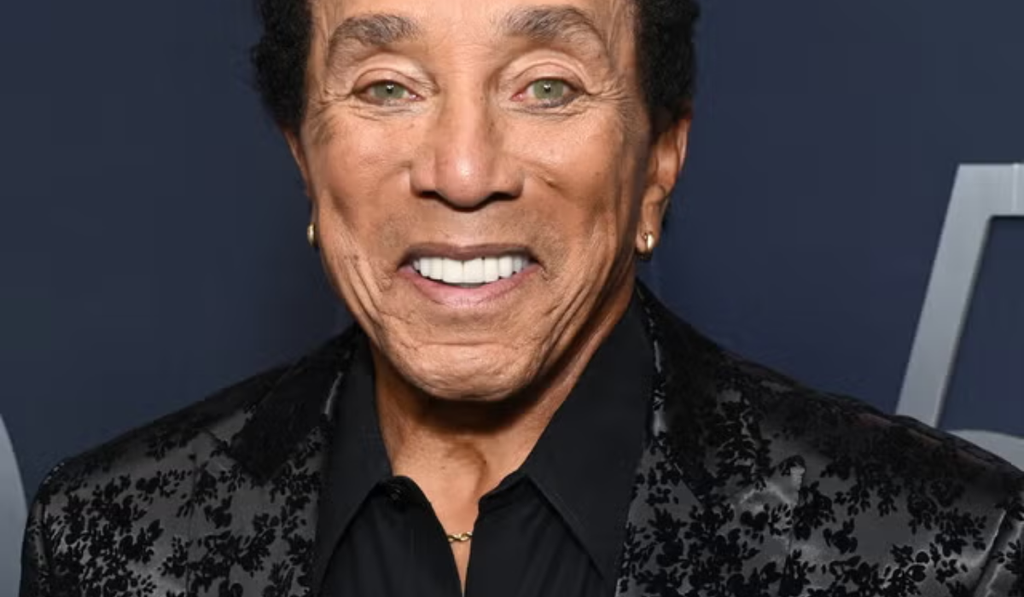
Smokie Robinson grew up in Detroit and developed a strong interest in music while young. He formed vocal groups with school friends, eventually leading the group that became The Miracles. His early experiences exposed him to gospel, blues, jazz, classical music, and popular songwriting. The combination influenced his approach to melody and lyrics. According to his official biography, he had been writing songs from childhood, and that early dedication became an important foundation for his professional career. His Detroit upbringing also placed him close to the musical environment that would soon become internationally famous.
Meeting Berry Gordy
A major turning point came when Smokie Robinson met Berry Gordy Jr., the songwriter and entrepreneur who would establish Motown Records. Robinson’s songs and The Miracles’ performances impressed Gordy, creating a partnership that became central to Motown’s early history. Gordy helped refine Robinson’s songwriting and production skills, while Robinson became one of the label’s earliest important artists. The relationship went beyond performing because Robinson eventually became an influential creative and administrative figure within the company. Their collaboration helped establish a working model that connected songwriting, recording, artist development, and business.
The Formation of The Miracles
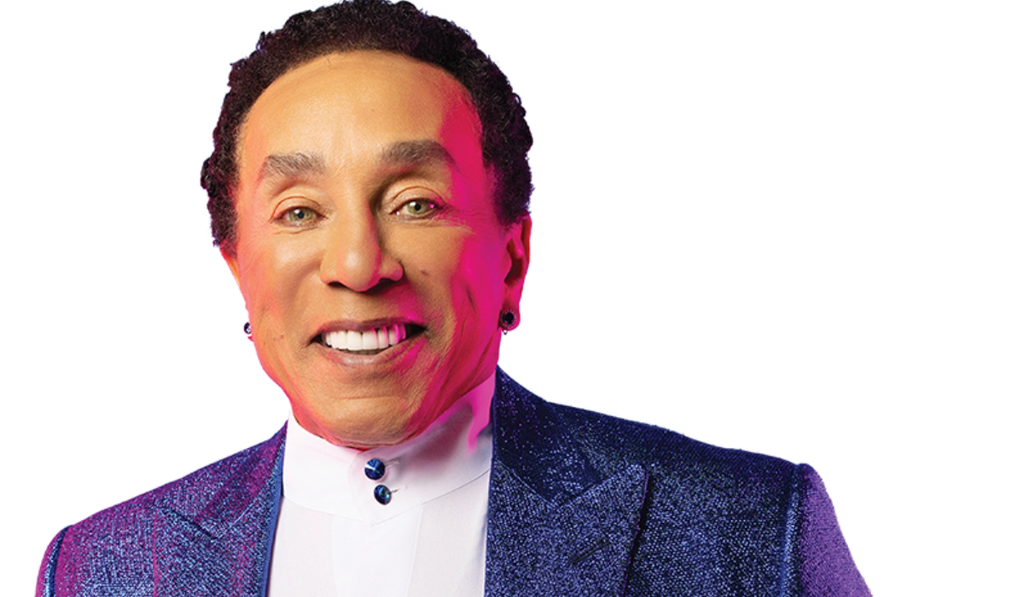
The Miracles were among the foundational acts of the Motown story. The group developed from Robinson’s teenage vocal projects and eventually became a professional recording act. Their smooth harmonies and carefully crafted songs helped define the label’s early identity. The Rock & Roll Hall of Fame describes The Miracles as Motown’s first act and recognizes the group’s important contribution to the company’s development. Robinson served as lead singer, principal songwriter, and producer, giving the group a distinctive creative direction. Their recordings became important examples of polished Detroit soul.
Shop Around and Early Success
One of the most important early songs was “Shop Around,” written by Robinson and associated with The Miracles. It became Motown’s first major national breakthrough and its first number-one R&B single, according to Robinson’s official biography and Rock Hall materials. The song demonstrated how a carefully written R&B record could connect with a broad pop audience. Its success gave Motown valuable momentum during the label’s formative period. For Robinson, it established a pattern of writing accessible songs that combined memorable melodies with stories about relationships and everyday emotions.
A Distinctive Songwriting Style
Smokie Robinson became known for writing about love, uncertainty, longing, attraction, disappointment, and reconciliation. Rather than relying only on dramatic language, he often used conversational details and vivid emotional images. This approach made his songs understandable to listeners from different backgrounds. The Songwriters Hall of Fame notes that his writing reached across contemporary boundaries and cultures. His lyrics could sound intimate while still working within highly polished pop arrangements. That balance between personal feeling and broad appeal became one of the central characteristics of his songwriting legacy.
Signature Miracles Songs
The Miracles recorded a remarkable series of songs associated with Robinson’s writing. “You’ve Really Got a Hold on Me,” “The Tracks of My Tears,” “I Second That Emotion,” “Ooo Baby Baby,” “Going to a Go-Go,” “More Love,” and “Tears of a Clown” remain among the best-known examples. These recordings show the range of Robinson’s writing, moving from tender ballads to rhythmic, energetic material. The songs also demonstrate his ability to create hooks that remain recognizable decades after their original release. Their continuing presence in popular culture has helped preserve the Motown sound for new generations.
Writing for Other Motown Artists
Robinson’s influence extended far beyond his own group. He wrote or co-wrote important songs for artists including Mary Wells, The Temptations, Marvin Gaye, and The Marvelettes. Among the famous titles connected with his songwriting are “My Girl,” “My Guy,” “The Way You Do the Things You Do,” and “Ain’t That Peculiar.” The official Rock Hall and Songwriters Hall of Fame biographies highlight this broader contribution. His role demonstrates why his legacy is not limited to one voice or one group: many major Motown recordings carried his songwriting or production influence.
Role as a Motown Executive
Smokie Robinson was not only an artist at Motown. He also served as a vice president and worked in areas including production, talent development, and songwriting. The Rock & Roll Hall of Fame identifies him as a producer, songwriter, talent scout, and executive who helped build the company’s artistic identity. This position gave him a wider view of the recording business. He could understand an artist’s needs while also thinking about songs, arrangements, studio work, and commercial presentation. His career therefore provides an example of an artist successfully contributing behind the scenes.
Smokie Robinson and a Solo Career
After years with The Miracles, Robinson moved toward a solo career in the early 1970s. His decision allowed him to explore a more individual sound while retaining the emotional focus that had defined his earlier work. Songs such as “Cruisin’” and “Being with You” became important parts of his solo catalog. His solo recordings also demonstrated that his appeal was not dependent entirely on the group format. Instead, his distinctive voice, songwriting instincts, and ability to create intimate romantic songs remained central to his identity as a recording artist.
The Quiet Storm Connection
A particularly important part of Smokie Robinson’s solo legacy is the album A Quiet Storm, released in 1975. The project became closely associated with the phrase “quiet storm,” which later became the name of a radio format centered on smooth, sophisticated R&B and soul. Robinson’s work helped establish an atmosphere built around relaxed arrangements, romantic themes, and expressive vocals. The Rock Hall has discussed this connection as an important part of his influence. Quiet storm radio eventually became a major platform for adult-oriented R&B and remained influential for decades.
Cruisin’ and Solo Recognition
“Cruisin’” became one of Robinson’s most recognizable solo songs and later gained additional life through covers and renewed interest. Its relaxed groove and romantic subject matter reflected the softer side of his songwriting. The song also earned him a Grammy nomination for Best R&B Vocal Performance, Male, according to the Recording Academy. Its enduring popularity shows how Robinson could move comfortably between classic Motown songwriting and a more contemporary solo sound. For listeners discovering his work through later recordings, “Cruisin’” often serves as an accessible entry point into his solo catalog.
Being with You and Continued Popularity
“Being with You” became another major solo success, showing that Robinson remained commercially relevant well after his earliest Motown years. The song emphasized emotional vulnerability and smooth vocal delivery, qualities that had become closely connected with his artistic identity. His later recordings did not simply repeat the Miracles formula. Instead, they adapted his songwriting strengths to changing production styles and audience tastes. This ability to evolve helped him maintain a long recording career. His solo period therefore forms an important bridge between classic Motown soul and later adult-oriented R&B.
Major Honors and Recognition
Smokie Robinson has received recognition from several of the most prominent institutions in American music. He entered the Rock & Roll Hall of Fame as a performer in 1987 and the Songwriters Hall of Fame in 1990. His honors also include a Grammy Living Legend Award, a Grammy Lifetime Achievement Award, Kennedy Center recognition, the National Medal of Arts, and the Library of Congress Gershwin Prize for Popular Song. These distinctions reflect different aspects of his career, including performance, songwriting, cultural influence, and contributions to American popular music.
Smokie Robinson and Grammy Legacy
The Recording Academy recognizes Smokie Robinson as a Grammy-winning artist with multiple nominations across his career. His award history is especially notable because his influence extends beyond individual Grammy results. His songs became standards, were recorded by other performers, and helped establish a vocabulary for romantic R&B. The Grammy record therefore represents only one part of a much larger musical legacy. Robinson’s importance can also be seen in the number of artists who have interpreted his songs and in the continuing use of his compositions in concerts, films, radio programming, and retrospective Motown projects.
Influence on Later Artists
The songwriting approach associated with Smokie Robinson influenced generations of singers and writers who valued emotional precision and elegant melodies. His compositions have been recorded or performed by artists across soul, pop, rock, and R&B. The Songwriters Hall of Fame notes that versions of his songs have appeared through artists such as The Beatles, Otis Redding, Linda Ronstadt, The Rolling Stones, and Al Green. Such reinterpretations demonstrate how adaptable the material can be. His work became part of a larger songwriting tradition in which strong melodies and emotional clarity remain central.
Smokie Robinson and Emotional Storytelling
A key reason Robinson’s songs continue to resonate is their attention to emotional storytelling. His characters often experience ordinary relationship situations rather than exaggerated dramatic events. A missed opportunity, a changing romance, jealousy, devotion, or heartbreak can become the center of a song. That simplicity gives the listener space to connect personal experiences with the music. Robinson’s soft vocal approach also avoids overpowering the lyrics. Instead, his performances often let melody and phrasing carry the emotion. This combination remains an influential model for romantic soul and contemporary R&B songwriting.
Family and Personal Life
Smokie Robinson’s personal life has included long-term relationships and family responsibilities alongside his music career. He was married to Claudette Rogers Robinson, a member of The Miracles, and later married Frances Gladney. Public biographies identify three children: Berry, Tamla, and Trey. Robinson has generally maintained a distinction between his public artistic identity and the private details of family life. For an accurate biography, it is useful to focus on documented relationships and family information rather than speculation. His professional partnerships and personal experiences both became part of the broader story surrounding his music.
Smokie Robinson: Later Albums and Creative Work
Robinson continued recording and performing long after his earliest Motown successes. His later projects have included Smokey & Friends and the 2023 album Gasms, demonstrating that he remained interested in creating new material. His official website also notes his involvement with SiriusXM’s Smokey’s SoulTown, a channel centered on soul and R&B music from earlier decades. These activities show a continuing connection to music history while also allowing him to introduce his perspective to audiences who may have discovered Motown long after its original era.
Smokey’s SoulTown
The creation of Smokey’s SoulTown on SiriusXM gave Robinson another way to share music beyond traditional albums and concerts. The channel focuses on classic soul and R&B while incorporating interviews, performances, and Robinson’s personal perspective. This role fits naturally with his decades of experience as an artist, songwriter, producer, and Motown executive. Rather than simply revisiting old recordings, the platform allows him to provide context around an important period in American music. It also creates a bridge between listeners who grew up with the music and younger audiences exploring the genre today.
Legacy in Detroit and Motown
Smokie Robinson’s connection with Detroit remains central to his legacy. Motown developed in the city and became internationally associated with a distinctive combination of songwriting, studio musicianship, vocal groups, choreography, and production. Robinson was present near the beginning of that story and contributed in several different roles. His relationship with the Motown Museum also reflects the continuing importance of that history. His career illustrates how Detroit’s local musical culture could become an international artistic movement. The city and the label remain inseparable from the story of his professional development.
Why His Songs Still Matter
The continuing appeal of Robinson’s catalog comes from its combination of memorable melodies, emotional honesty, and adaptable arrangements. His songs can work as vintage Motown recordings, modern cover versions, live performances, or quiet listening experiences. They have also remained useful to musicians studying songwriting because the structures are clear without feeling simplistic. His work demonstrates how a strong lyric and memorable melody can survive changes in technology, fashion, and production. This durability helps explain why his music continues to appear in compilations, performances, documentaries, radio programming, and contemporary reinterpretations.
A Career Across Generations
Few American music careers connect as many eras as Robinson’s. He began recording during the formative years of Motown, became a major songwriter and executive, built a successful solo career, and continued releasing and performing music into the twenty-first century. His career therefore offers a timeline of changing R&B styles. At each stage, he retained recognizable strengths while adapting to new audiences. The result is a body of work that can be studied historically while still being enjoyed simply as music. His longevity is one of the clearest features of his professional story.
Lasting Place in American Music
Smokie Robinson occupies an important place in American music history because his career connects performance, songwriting, production, business leadership, and cultural influence. The Rock & Roll Hall of Fame, Songwriters Hall of Fame, Recording Academy, and Library of Congress have all recognized different dimensions of his work. His songs became part of the shared vocabulary of soul and pop music, while his work at Motown helped shape the careers of other artists. His legacy is therefore larger than a list of hit records; it is also a story about how a songwriter helped build an influential musical institution.
Frequently Asked Questions
- Who is Smokie Robinson? — • He is the professional name commonly used for William “Smokey” Robinson Jr., the Detroit-born singer, songwriter, producer, and Motown executive best known for The Miracles and his solo career.
- When was Smokie Robinson born? — • He was born on February 19, 1940, in Detroit, Michigan.
- What group was Smokie Robinson famous for leading? — • He was the lead singer and principal songwriter of The Miracles, one of Motown’s foundational groups.
- What are some famous Smokie Robinson songs? — • Well-known songs include “Shop Around,” “The Tracks of My Tears,” “Tears of a Clown,” “Cruisin’,” and “Being with You.”
- Is Smokie Robinson in the Rock & Roll Hall of Fame? — • Yes. He was inducted as a performer in 1987, and The Miracles were inducted in 2012.
Final Thoughts
Smokie Robinson’s career is a story of musical creativity, disciplined songwriting, and lasting cultural influence. From Detroit and The Miracles to Motown’s executive offices and a successful solo career, he helped shape several generations of popular music. His awards and Hall of Fame honors reflect the breadth of that contribution, while his songs continue to be recorded and heard around the world. For readers who want more background, the related Wikipedia article on Smokey Robinson provides another reference point alongside official music-history sources. His catalog remains a lasting part of the American songbook. Wikipedia: Smokey Robinson


Post Comment