Veronica Capone Biography: Family History, Early Life, Career, Marriage, Al Capone Connection, Legacy, and the Story Behind a Famous Family Name Story
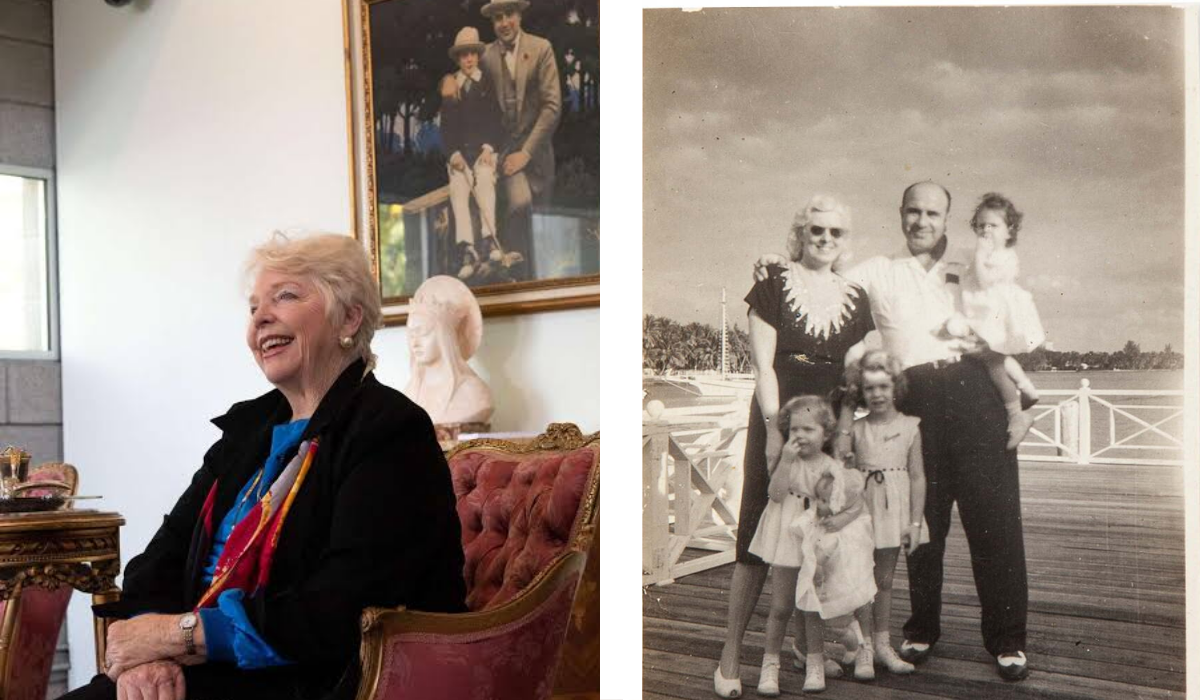
Veronica Capone was born on January 9, 1943, in Miami Beach, Florida, into a family whose surname already carried unusual historical weight. She was the first child of Albert Francis “Sonny” Capone and Diana Ruth Casey, and therefore the eldest granddaughter of Al Capone. Unlike the sensational image attached to her grandfather, her own life was largely private and family-centered. She grew up in Florida with her sisters and later established an adult life in California. Available biographical accounts describe her as a person who developed her own identity beyond the notoriety associated with her family name.
| Quick Bio | Details |
|---|---|
| Full Name | Veronica Frances “Ronnie” Capone Peterson |
| Born | January 9, 1943 |
| Birthplace | Miami Beach, Florida |
| Died | November 17, 2007 |
| Age at Death | 64 |
| Father | Albert Francis “Sonny” Capone |
| Mother | Diana Ruth Casey |
| Grandfather | Al Capone |
| Siblings | Teresa, Barbara, and Patricia “Diane” |
| Known For | Eldest granddaughter of Al Capone |
| Later Residence | California |
| Second Husband | Gordon Peterson |
Family Background
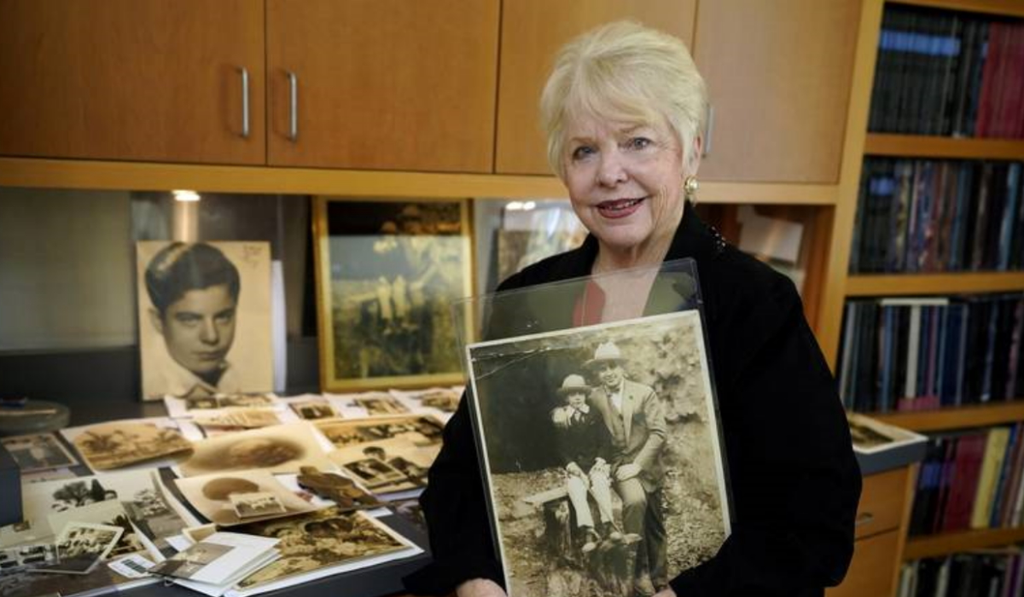
The basic family record is important because online biographies sometimes confuse different people with the same name. Veronica Frances “Ronnie” Capone Peterson is the granddaughter of Al Capone, not his daughter. Al Capone had one child, Albert Francis “Sonny” Capone, according to established biographical records. That distinction helps separate documented family history from inaccurate internet claims. Recent research also identifies other unrelated people named Veronica Capone, including an Italian filmmaker. Readers should therefore check the full name, dates, and family relationships before accepting a biography as authoritative.
Connection to Al Capone
The family connection began through Albert Francis Capone, better known as Sonny. Veronica Capone was his daughter, placing her one generation below the Chicago gangster. Sonny was Al Capone’s only child, a fact that makes the family tree relatively straightforward even though online articles sometimes make it confusing. Veronica belonged to the first generation of Al Capone’s grandchildren, alongside her sisters. Her relationship to the famous gangster was therefore biological and familial, but it should not be confused with participation in his criminal activities or business interests.
Childhood in Florida
Veronica Capone spent her early years in Florida, particularly around Miami Shores, where her parents sought a more ordinary family environment. Accounts of the family describe the four sisters as growing up together away from the Chicago world associated with their grandfather. This setting mattered because it gave the children a childhood separate from the public mythology surrounding the Capone surname. Their home life centered on parents, siblings, school, and family routines rather than the criminal history that later became a major subject of books, films, documentaries, and popular culture.
Education and Upbringing
Education formed another part of the family’s effort to provide stability. Veronica Capone is reported to have attended Catholic schools in Florida before eventually moving west. Sources differ on some smaller educational details, so specific school claims should be treated carefully unless supported by primary records. What is clearer is that her upbringing emphasized ordinary development rather than celebrity. Her later professional life also suggests a practical approach to work and responsibility. She did not build a public career around her grandfather’s fame, choosing instead to maintain a comparatively private personal identity.
The Historical Shadow
The historical shadow surrounding Veronica Capone came largely from the reputation of her grandfather, Al Capone. Al Capone became one of the most recognizable American gangsters of the Prohibition era and led the Chicago Outfit during the 1920s. His criminal career has been extensively documented and repeatedly dramatized in popular culture. Yet the granddaughter’s life belongs to a different period and should be considered separately. Her childhood connection to him does not mean that her own biography was an extension of his criminal career.
Childhood Memories of Her Grandfather
Veronica Capone was only four years old when Al Capone died in 1947. That timing is significant when considering how much she could personally remember about him. Later generations often encounter Al Capone through photographs, historical books, films, and crime documentaries, while Veronica experienced him as a young family member during early childhood. Some family accounts describe affectionate memories of “Papa,” but individual recollections should be distinguished from independently documented historical facts. Her connection to him was real, while many stories surrounding the family have been reshaped over decades by public fascination.
Sisters and Family Bonds
The sibling relationship was central to Veronica Capone’s family story. She was the eldest of four daughters born to Sonny and Diana. Her younger sisters were Teresa, Barbara, and Patricia, who is often known publicly as Diane. The sisters grew up together and later became part of the continuing public discussion about the Capone family. Their shared experiences gave them a perspective different from the popular mythology surrounding their grandfather. Family members have also contributed memories and books that help explain the private side of a surname more commonly associated with crime history.
Professional Life
As an adult, Veronica Capone developed a career outside entertainment and outside the historical crime narrative surrounding her family. Published biographical accounts describe administrative and managerial work in the semiconductor industry, including employment connected with Fairchild in California. This professional direction is notable because it shows a conventional working life rather than one built around inherited fame. Career information about her is less extensively documented than information about her famous grandfather, so precise job titles and employment dates should be presented cautiously. The broader record, however, consistently describes a working life in California.
Move to California
The move from Florida to California became an important transition for Veronica Capone. Accounts place her adult years in the Bay Area, where she built professional and family relationships. California offered distance from the Chicago-centered mythology surrounding the Capone name and became the setting for much of her later life. She was not a public celebrity in the conventional sense, and that relative privacy means fewer contemporary interviews and fewer detailed public records. As a result, the most useful biography combines family reporting, obituary information, and carefully separated historical context.
Marriage History
Marriage and family were also important to Veronica Capone. Genealogical research identifies an earlier marriage to Robert Warren Bacon in 1963, while later accounts identify Gordon Peterson as her second husband. This corrects a recurring online mistake that treats the Peterson marriage as her only marriage. The documented sequence is more nuanced and demonstrates why family-history research is valuable when writing about lesser-known relatives of famous people. Her personal relationships were part of an ordinary adult life that existed largely away from the attention directed toward the Capone surname.
Children and Stepfamily
Veronica Capone’s family life extended beyond a simple connection to a famous grandfather. Accounts describe children from her first marriage and later stepfamily relationships through her marriage to Gordon Peterson. Sources vary in how they present these details, so readers should avoid assuming that every online family list is equally reliable. What can be said more broadly is that she was involved in a large family network that included children, stepchildren, sisters, and extended relatives. These relationships helped define her identity more than her grandfather’s public reputation did.
Travel and Interests
Travel and cultural interests are frequently mentioned in biographical accounts of Veronica Capone. She is described as someone who enjoyed experiencing different places and had broad interests in food, music, arts, film, ballet, and literature. Africa is sometimes highlighted as a destination she particularly enjoyed visiting. These details create a picture of a person whose interests reached well beyond family history. Because many of these descriptions come from secondary biographies and recollections, they are best treated as personal-profile information rather than as heavily documented historical facts.
Personality and Character
The personality described in accounts of Veronica Capone is notably different from the stereotype attached to the Capone surname. Biographical sources portray her as warm, curious, energetic, and strongly connected to family and friends. They also describe an interest in discussion and intellectual exchange. Such character descriptions are naturally subjective because they come from recollections rather than standardized records. Still, they offer useful context for understanding how relatives remembered her. Her story illustrates how a person can be known within a family for qualities that never become part of the wider public record.
Community Involvement
Community involvement is another theme found in profiles of Veronica Capone. Some accounts describe volunteer and charitable interests, emphasizing service and personal relationships rather than publicity. Unlike the highly public legacy of Al Capone, her activities were generally private and were not promoted as a major public career. This distinction is important for an SEO biography because readers may expect dramatic stories when they see the Capone surname. The available evidence instead points toward a quieter life in which family, work, interests, and community connections played larger roles.
Family Stories and Books
Veronica Capone later became part of a family story that was increasingly discussed by descendants. Her younger sister Diane has been especially visible in sharing family memories through books and interviews. Those projects have helped introduce a more personal perspective on the Capone family, particularly the experiences of the grandchildren. The sisters’ recollections do not erase the historical record of Al Capone’s crimes, but they show that family members experienced him in a private role. This distinction helps readers understand the difference between historical notoriety and personal family memory.
The Capone Name
The Capone surname itself has become a cultural symbol. Al Capone appears in histories of Prohibition, organized crime studies, films, television, books, and popular entertainment. For Veronica Capone, however, that surname represented a family inheritance rather than a professional identity. She lived decades after her grandfather’s peak years and built relationships and work experiences that were separate from his criminal world. Understanding that difference prevents a common biographical mistake: assuming that every member of a famous family shared the same lifestyle, beliefs, activities, or public role.
Public Interest
Public interest in Veronica Capone has grown partly because people are curious about what happened to Al Capone’s descendants. That curiosity is understandable, but it can also encourage inaccurate stories. Search results sometimes combine unrelated people, repeat unsourced claims, or present family details as established facts without identifying evidence. A responsible biography should therefore distinguish confirmed dates and relationships from recollections and secondary descriptions. This approach is especially useful for historical families, where repeated internet claims can become accepted simply because many websites copy one another.
Correcting Common Claims
One important correction concerns the claim that Veronica Capone was Al Capone’s daughter. That is incorrect. Veronica was his granddaughter through his only child, Albert Francis “Sonny” Capone. This point is supported by established family records and multiple published accounts. Another unrelated person with the same name appears in Italian film records, further demonstrating why name matching alone is not enough. Researchers should compare dates, parents, locations, and occupations before connecting two records.
Final Years
The final years of her life were spent largely away from the spotlight. Records and biographical accounts place her in California and later in Auburn. She died on November 17, 2007, at age 64. Sources describe complications from acute myelogenous leukemia as the cause of death. Because this is a medical detail reported in biographical and obituary material, it is best stated simply rather than sensationalized. Her death closed a life that had been shaped much more by family, work, relationships, and personal interests than by her grandfather’s notorious reputation.
Lasting Legacy
The lasting significance of Veronica Capone comes from the contrast between a famous surname and a comparatively private life. Her story offers a reminder that descendants are not historical replicas of their ancestors. She inherited a name associated with a major chapter of American crime history, yet her own adulthood unfolded through work, family, marriage, travel, and community relationships. This makes her biography interesting beyond celebrity curiosity. It also encourages readers to look past the headline associated with a family name and consider the individual life that existed behind it.
Historical Importance
Today, Veronica Capone is remembered mainly through family histories, genealogical records, published recollections, and discussions of Al Capone’s descendants. Her story is useful for readers researching the Capone family tree because it clarifies the connection between Al Capone and his grandchildren. It also shows why careful sourcing matters when writing about people who lived outside the public spotlight. The strongest account combines reliable dates and relationships with appropriate caution around anecdotal details. In that sense, her biography remains a small but revealing part of a much larger American historical story.
Understanding Her Story
The broader lesson from her life is that historical identity can be complicated. A family name may attract attention, but it does not automatically define an individual’s work, relationships, values, or achievements. Her biography is therefore best understood through the documented family tree and the recollections preserved by relatives. For readers interested in learning more about the family background, the Wikipedia article on Al Capone provides related historical context.
Frequently Asked Questions
1. Who was Veronica Capone?
- She was the eldest granddaughter of Al Capone and the daughter of Albert Francis “Sonny” Capone and Diana Ruth Casey.
2. When was Veronica Capone born?
- She was born on January 9, 1943, in Miami Beach, Florida.
3. Was Veronica Capone Al Capone’s daughter?
- No. She was his granddaughter because her father, Sonny Capone, was Al Capone’s only child.
4. Who was Veronica Capone’s husband?
- She was married first to Robert Warren Bacon and later to Gordon Peterson, according to available genealogical and biographical records.
5. When did Veronica Capone die?
- She died on November 17, 2007, at age 64, with sources reporting complications from acute myelogenous leukemia.



Post Comment